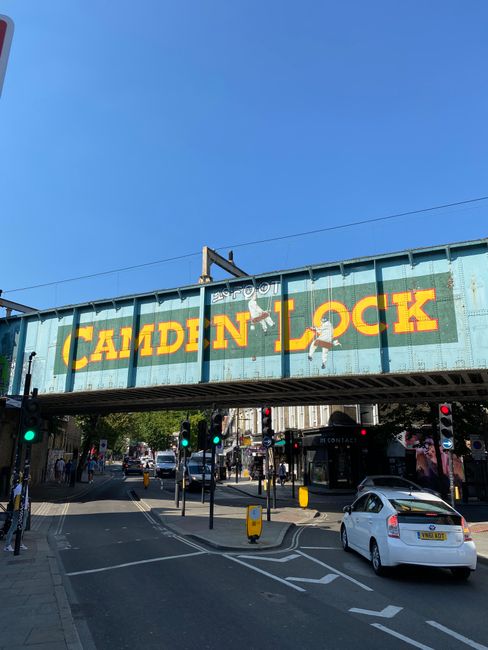
Camden Council permit needs for Kentish Town commercial cleaning vans
If you run commercial cleaning vans in Kentish Town, the permit question can feel oddly small at first, then suddenly very important when you are circling for a space at 7:30 on a wet Tuesday morning. Do you need a Camden Council permit? Is it a parking bay issue, a loading issue, or something else entirely? The short answer is: it depends on where you stop, how long you stay, and what the van is doing there. In practice, the right setup can save fines, stress, and a lot of wasted time.
This guide breaks down the Camden Council permit needs for Kentish Town commercial cleaning vans in plain English. You will learn how the local parking and access rules usually work, what operators should check before sending a van out, and how to build a routine that keeps jobs moving smoothly. We will also cover common mistakes, best practices, and a practical checklist you can use straight away.
Table of Contents
- Why Camden Council permit needs for Kentish Town commercial cleaning vans Matters
- How Camden Council permit needs for Kentish Town commercial cleaning vans Works
- Key Benefits and Practical Advantages
- Who This Is For and When It Makes Sense
- Step-by-Step Guidance
- Expert Tips for Better Results
- Common Mistakes to Avoid
- Tools, Resources and Recommendations
- Law, Compliance, Standards, or Best Practice
- Options, Methods, or Comparison Table
- Case Study or Real-World Example
- Practical Checklist
- Conclusion
- Frequently Asked Questions
Why Camden Council permit needs for Kentish Town commercial cleaning vans Matters
For a cleaning business, the van is not just transport. It is your storage, your mobile base, your backup cupboard, and often the difference between a tidy day and a messy one. In an area like Kentish Town, where streets can be busy, bays can be limited, and parking rules can change from one road to the next, permit awareness is part of day-to-day operations, not an admin afterthought.
The real issue is not simply "do I have a permit?" It is whether the van is legally allowed to stop in that exact place for the exact purpose you need. A commercial cleaning van may be loading equipment, dropping off staff, collecting waste sacks, or waiting between appointments. Each of those situations can have different parking implications. That is where many businesses trip up.
Why does this matter so much? Because a small permit mistake can quickly become a costly one. Even if the job itself is straightforward, a parking penalty or complaint from a resident can derail the whole visit. And to be fair, in a neighbourhood with mixed residential and commercial activity, people notice a van that overstays or blocks access. You feel that tension on the street. You really do.
There is also a wider business reason to take this seriously. Reliable parking planning helps your team arrive on time, keep work moving, and avoid those awkward moments where a cleaner is carrying equipment up a stairwell while the driver is trying to spot a legal bay from half a block away. Not ideal.
Expert summary: For Kentish Town cleaning operators, permit planning is not just about avoiding tickets. It is about punctuality, reputation, and keeping your van movements predictable in a tightly managed local parking environment.
How Camden Council permit needs for Kentish Town commercial cleaning vans Works
The practical answer usually begins with the type of stopping you need to do. A commercial cleaning van may fall into one of several scenarios:
- short loading or unloading outside a property
- parking in a marked bay for a job
- waiting nearby while a crew works inside
- repeated visits to the same street during one day
- disposing of cleaning waste or collecting equipment
In London, these situations are often controlled by a combination of resident bays, pay-and-display bays, loading restrictions, time limits, and local permit schemes. Camden Council rules can vary by location and signage, so you cannot safely assume that one street in Kentish Town will behave like the next. The yellow line that looks fine from the cab may still come with a restriction that ruins your plan five minutes later.
For that reason, the first job is not to guess. It is to match the van's activity to the local parking control on the street. A permit may be needed for longer parking, but some short loading activity may be allowed in designated windows or bays. The exact outcome depends on the signage and the local rules in force at that location.
It is also worth separating vehicle permission from site access permission. A permit may allow a van to park or load, but that does not automatically mean the property owner, managing agent, or building concierge has approved where the van can wait, unload, or turn. In commercial cleaning, these layers overlap more often than people expect.
In our experience, the smoothest operators build a simple pre-job routine: check the van size, check the job duration, check the street controls, and confirm the building access instructions. A 3-minute check can save a 30-minute headache.
What permit needs usually depend on
- Vehicle type: car-derived van, mid-size van, large panel van, or specialist cleaning vehicle
- Length of stay: quick unload versus longer on-street parking
- Road type: residential bay, shared-use bay, loading bay, or restricted corridor
- Time of day: school run hours, peak commute time, evening access, or off-peak slots
- Activity: loading, active work, waiting, or waste transfer
- Local enforcement: whether the street is actively monitored and how tight the bay turnover is
That mix is why a one-size-fits-all answer rarely works. The permit need is usually practical rather than theoretical. The van either fits the rules where it is standing, or it does not.
Key Benefits and Practical Advantages
Getting the permit side right gives you more than compliance. It makes the whole cleaning operation calmer, which sounds soft until you realise how much time is lost when drivers are improvising on the fly.
- Fewer fines and disputes: You reduce the chance of penalty notices, resident complaints, and awkward calls after the job.
- Better job timing: Crews can arrive, unload, and leave without the van becoming the bottleneck.
- Improved customer experience: The client sees a tidy, professional arrival rather than a confused parking shuffle.
- Less staff stress: Cleaners are not left juggling equipment while the driver searches for a space.
- Stronger local reputation: In a neighbourhood like Kentish Town, word travels quickly when a business is consistently considerate.
- More predictable costs: Good planning is cheaper than repeated penalties, extra circling, or wasted labour time.
There is also a quieter benefit: better permit discipline helps your business scale. Once you have repeatable parking habits, adding another van or another route becomes easier. You are not reinventing the wheel every morning.
If you also provide broader cleaning services, it helps to align van planning with the relevant service profile. For example, teams handling office cleaning or end-of-tenancy cleaning often carry more equipment than a light domestic crew, which can affect where they can safely stop and unload. Likewise, a crew doing after builders cleaning may need extra time for tools, dust control items, and waste bags. Different jobs, different van needs. Simple, but easy to forget.
Who This Is For and When It Makes Sense
This topic matters to a fairly wide set of people, not just fleet managers. If any of the situations below sound familiar, you should probably treat parking and permit planning as part of your standard operating process.
- Independent cleaners who use a van to carry equipment, detergents, and vacuums between Kentish Town appointments
- Small cleaning companies with one to five vehicles and recurring residential or commercial routes
- Office cleaning teams that arrive early, need fast unloading, and may revisit the same building repeatedly
- Specialist crews handling carpets, upholstery, hard floors, or post-renovation work
- Managers and schedulers who plan routes and need to reduce wasted driving time
- Clients and building managers who want to understand how a contractor will access the site without disruption
It also makes sense if your team is new to London work. Outside the capital, people often take parking for granted. In Kentish Town, you cannot really do that. Streets are tighter, enforcement is more active, and a van that looks "fine for a minute" can be in the wrong place faster than you think.
Truth be told, this is especially important for businesses that combine cleaning with frequent waste removal, equipment swaps, or multiple property visits in one day. If your schedule is stacked, small delays multiply. One permit mistake in the morning can throw the rest of the route off by lunchtime.
Step-by-Step Guidance
Here is a practical way to handle Camden Council permit needs for Kentish Town commercial cleaning vans without getting buried in admin.
- Identify the exact job type. Is the van loading only, waiting, or staying while work happens? That distinction matters.
- Check the street controls. Look at the bay markings and signage, and do not assume yesterday's arrangement still applies today.
- Confirm the vehicle size and use. A compact van and a larger commercial vehicle may face different practical limits.
- Map the access point. Decide where the van should stop, where equipment will be unloaded, and how staff will enter the property.
- Plan for time buffers. Give yourself a bit of breathing room. London traffic and parking are not famous for being cooperative.
- Keep evidence of your planning. Internal notes, job sheets, and route instructions help if a parking issue is later questioned.
- Train drivers and team leads. The best permit process fails quickly if the people on the ground do not know the plan.
- Review repeated locations. If a certain Kentish Town street keeps creating issues, adjust the booking window or unloading method.
A useful habit is to treat parking as part of the quotation process. When you are preparing a job, factor in whether the van can stop close enough to keep labour efficient. That is especially relevant for larger cleaning contracts. It can also influence how you present pricing. If you want a clearer picture of job structure and service estimates, the page on pricing and quotes is a sensible internal reference point for planning discussions.
And one small but very practical point: if your team is carrying fragile or wet equipment, a longer walk from the van is not just inconvenient. It changes the risk profile. Slippery trays, heavy vacuums, awkward corners - all of that adds up.
Expert Tips for Better Results
Good permit handling is often about small habits rather than dramatic compliance systems. The businesses that do this well tend to be boring in the best possible way.
- Use a standard pre-arrival check. A short checklist before each Kentish Town job keeps everyone consistent.
- Assign parking responsibility clearly. If "someone will sort it" is the plan, that is usually not a plan.
- Keep a few route-friendly van notes. Some streets are easier early in the morning, others later on. Track what actually works.
- Match vehicle to job size. Sending the biggest van by default is not always smart if the area is tight.
- Leave unloading space in the schedule. A job that starts at 09:00 may need a 08:45 arrival if parking is awkward.
- Keep customer communication simple. A short note about arrival and unloading can prevent confusion on the day.
- Review repeat patterns monthly. If the same permit problem keeps popping up, fix the system, not just the individual incident.
If your cleaning work spans homes as well as workplaces, it can help to keep your services aligned on your website and in your operations. For example, domestic cleaning may involve lighter van loads than office cleaners doing larger commercial runs. That difference affects parking, unloading, and timing more than many operators expect.
One more thing: if you manage a team, teach people to slow down when they arrive. I know, obvious advice. But a rushed van stop is where most avoidable issues begin. A minute spent reading the sign beats ten minutes spent apologising later.
Common Mistakes to Avoid
These are the errors that tend to cause the most trouble for commercial cleaning vans in Kentish Town. Nothing dramatic, just the usual stuff that gets businesses into avoidable bother.
- Assuming a van can stop anywhere for "just a minute". In controlled streets, minutes matter.
- Confusing loading with parking. They are not the same thing, and the rules may not treat them the same way.
- Ignoring bay markings. A space that looks available may still be restricted by time or vehicle class.
- Sending the wrong van. Oversized vehicles can create avoidable access problems.
- Leaving the permit check to the driver alone. Good operations make permit planning a shared responsibility.
- Not planning for repeat visits. If a weekly contract keeps happening in the same street, you should not re-learn the rules every time.
- Forgetting the customer impact. A blocked street, noisy unloading, or late arrival can make a clean feel less professional, even if the work itself is excellent.
There is a subtler mistake too: focusing only on the fine risk and forgetting the time cost. Even if you never get a ticket, poor parking decisions can make the job more expensive through delay, backtracking, and stressed staff. That is the hidden bit.
Tools, Resources and Recommendations
You do not need a complicated system to manage permit needs well. In many cases, a few practical tools are enough.
- Route notes: Keep simple records of which Kentish Town streets are easy, awkward, or time-sensitive.
- Job sheets: Include arrival time, unloading point, equipment load, and access instructions.
- Vehicle register: Note which vans are used for which job types, especially if your fleet is mixed.
- Team briefing template: A short pre-job reminder reduces misunderstandings.
- Customer communication template: Let clients know when a van will need to stop close to the property.
For businesses that value operational trust, the supporting pages on health and safety policy and insurance and safety can help frame wider working standards alongside parking control. If you also want to show responsible environmental habits, the recycling and sustainability page is useful for communicating how waste and materials are handled.
When customers ask questions about trust, paperwork, or how you operate, having those pages ready makes the conversation smoother. It does not solve a parking issue by itself, obviously, but it does show that your business is organised beyond the van door.
Law, Compliance, Standards, or Best Practice
This topic sits at the intersection of local parking controls, operational planning, and general duty of care. The safest way to approach it is to treat all on-street stopping rules seriously and to verify current requirements before a job begins. Local restrictions can vary by road, bay type, and time of day, so any fixed assumption is risky.
From a best-practice point of view, commercial cleaning operators should keep a clear record of:
- which vehicles are authorised for which kinds of work
- where each van may stop for loading or unloading
- how long a crew is expected to be on site
- who checks the parking situation before arrival
- what to do if the intended stop is blocked or unavailable
That record does two things. First, it helps your team act consistently. Second, it gives you a sensible trail if a parking issue or access complaint ever needs reviewing. Not glamorous, but very useful.
There is also a customer-facing aspect. Professional conduct in the street matters. Avoid blocking driveways, keep footpaths clear, and minimise engine idling where possible. Those habits are part of good local trade behaviour, not just compliance. And yes, residents notice. They always do.
If your company publishes internal standards or customer-facing policies, linking your operational practice to your published commitments can help build trust. The page on terms and conditions is also relevant because it sets expectations about service delivery and responsibilities, which matters when parking or access affects the timing of a visit.
Options, Methods, or Comparison Table
Different parking approaches suit different cleaning businesses. Here is a simple comparison to help you think it through.
| Approach | Best for | Pros | Trade-offs |
|---|---|---|---|
| Short unloading stop | Small teams with light equipment | Fast, simple, often enough for quick jobs | Usually limited by time and signage |
| Formal permit-led parking | Repeat work in the same area | More predictable for regular routes | Needs better admin and planning |
| Nearby legal parking plus trolley transfer | Tight streets or larger vans | Reduces direct street pressure | Can add walking time and manual handling effort |
| Site-arranged access | Office blocks, managed buildings, and contracted sites | Clearer expectations and fewer surprises | Depends on building cooperation and scheduling discipline |
For some operators, the best answer is a hybrid. For instance, a team doing window cleaning might need very different stopping behaviour from a team handling rug cleaning or upholstery cleaning. The job shape drives the parking plan. Always.
Case Study or Real-World Example
Imagine a two-person cleaning team working in Kentish Town on a weekday morning. They have a mixed route: one flat clean, one small office refresh, then a move to another property after lunch. The driver arrives early with a medium-sized van carrying vacuum equipment, cleaning liquids, cloths, and protective sheets. The first street has resident bays, the second has a loading area, and the third has stricter time limits.
On paper, it looks manageable. In reality, the team only works smoothly if the parking plan is set before they leave the depot. If they arrive and discover the first bay is unavailable, the whole morning shifts. The cleaners then have to carry equipment further than expected, and the office job starts with tired shoulders and less time in hand. Not disastrous. Just annoying enough to hurt productivity.
The fix is surprisingly ordinary: check the restrictions the day before, brief the driver on the access point, and give the team a fallback option if the first stop is blocked. In this example, the business also adjusted its timing slightly so the busiest unloading happened before the street filled up. Nothing flashy. Just better planning.
That is often what permit awareness really looks like in the real world. Not legal drama. Just small decisions that keep a normal Tuesday running smoothly.
Practical Checklist
Use this checklist before sending a commercial cleaning van into Kentish Town:
- Confirm the job address and exact access point
- Identify whether the van is loading, unloading, waiting, or staying on site
- Check street signage and bay type
- Match the van size to the location
- Build in extra time for parking and unloading
- Brief the driver and cleaning team on the plan
- Prepare a backup stop if the first option is blocked
- Keep customer contact details handy in case access changes
- Make sure equipment is packed for quick unloading
- Review any recurring parking issues after the job
Quick rule of thumb: if the van stop feels improvised, it probably is. Better to pause and check than to rush and regret it.
Conclusion
Camden Council permit needs for Kentish Town commercial cleaning vans are really about control, timing, and local awareness. Once you understand how stopping, loading, and on-street parking interact, the whole thing becomes less intimidating. You do not need a perfect system. You need a reliable one.
The best cleaning businesses treat parking and access as part of service quality. That means planning routes properly, briefing staff clearly, and using the right van for the job. It also means accepting that a good day in Kentish Town starts before the first bucket is lifted. A little preparation goes a long way, honestly.
If you get that right, your team arrives calmer, your jobs run smoother, and your customers notice the difference. And that is the bit that tends to stick.
Get a free quote today and see how much you can save.
Frequently Asked Questions
Do commercial cleaning vans need a Camden Council permit in Kentish Town?
Sometimes, yes, but not always. It depends on where the van is stopping, how long it is there, and whether the road is controlled by a resident bay, loading bay, shared-use space, or another restriction. The sign on the street is the key reference, not a general assumption.
Is loading and unloading treated the same as parking?
No. Loading or unloading may be treated differently from longer parking, but the exact allowance depends on the location and local restrictions. A van that is actively loading may have more flexibility than one that is simply waiting nearby.
Can a cleaning van stop briefly outside a property without a permit?
Possibly, but you should not assume that a brief stop is always acceptable. Some streets allow short loading activity; others do not. The safest approach is to check the bay marking and time restrictions before the van arrives.
What should I do if the usual stop is blocked?
Have a backup plan. That could be a nearby legal bay, a different unloading point, or a slightly adjusted arrival time. The businesses that recover best are usually the ones that plan a fallback in advance.
Are larger vans harder to manage in Kentish Town?
In practice, yes. Bigger vans can be more difficult to place legally and safely on tighter streets. They also create more unloading pressure. If you can match van size to the job, you will usually have an easier day.
Do office cleaning jobs have different van needs from domestic cleaning jobs?
Often, yes. Office work may involve more equipment, earlier start times, and repeat access to the same building. Domestic jobs can be lighter but may still involve tight streets and resident parking controls.
How far in advance should I check permit or parking needs?
Ideally before the job is confirmed, and again before the van leaves. For repeat work, a small route note or access checklist helps avoid last-minute surprises.
What information should I give my driver before a Kentish Town job?
Give the exact address, where to stop, how long the van will need to stay, the type of equipment being carried, and any access restrictions. The more practical the note, the better.
Can a permit issue affect customer satisfaction even if the clean is good?
Absolutely. If the van is late, blocks access, or causes friction with neighbours, the customer often experiences the whole visit as less professional, even when the cleaning itself is excellent.
What is the simplest way to reduce parking problems for cleaning vans?
Build a standard pre-arrival check, train your drivers, and keep good notes on repeat locations. It sounds basic, but basic systems are often the ones that actually work on busy London streets.
Should I link parking planning with my wider business policies?
Yes. Parking and access are part of operational professionalism, so it helps to align them with your internal safety, insurance, and customer-service practices. It makes the business easier to trust, and easier to run.
Where can customers learn more about your company standards?
If you want to show how your business works behind the scenes, pages like about us, health and safety policy, and insurance and safety are useful reference points for trust and transparency.