Camden Council rules for Kentish Town carpet cleaning waste: a practical guide for homeowners, landlords and cleaners
If you are arranging a carpet clean in Kentish Town, the part people often forget is the waste. Dirty rinse water, extracted soil, old carpet underlay, packaging, and even used towels all need handling properly. The Camden Council rules for Kentish Town carpet cleaning waste are not something you want to guess your way through, because a small mistake can quickly turn into blocked drains, messy bin stores, or an avoidable compliance headache. To be fair, most of the job is common sense once it is broken down clearly.
This guide explains what counts as carpet cleaning waste, how disposal usually works in Camden, what to avoid, and how to keep things tidy, legal and sensible. It is written for real-life situations: a house in Kentish Town with a staircase carpet, a flat above a shop, a rented property needing end-of-tenancy cleaning, or a business trying to stay on the right side of local waste rules. You will also find practical steps, a comparison table, a checklist, and a few useful internal resources from the site, including the recycling and sustainability page and the health and safety policy.
Table of Contents
- Why Camden Council rules for Kentish Town carpet cleaning waste matters
- How Camden Council rules for Kentish Town carpet cleaning waste works
- Key benefits and practical advantages
- Who this is for and when it makes sense
- Step-by-step guidance
- Expert tips for better results
- Common mistakes to avoid
- Tools, resources and recommendations
- Law, compliance, standards, or best practice
- Options, methods, or comparison table
- Case study or real-world example
- Practical checklist
- Conclusion
- Frequently asked questions
Why Camden Council rules for Kentish Town carpet cleaning waste matters
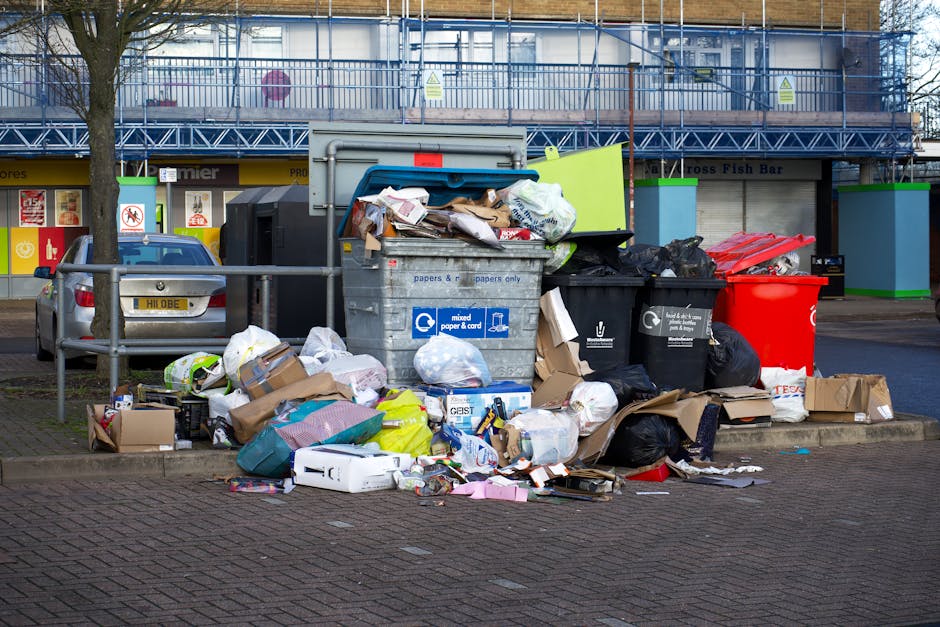
Carpet cleaning looks straightforward from the outside: wash, extract, dry, done. But the waste side can be surprisingly fiddly. In a busy place like Kentish Town, you may be dealing with narrow stairwells, shared bins, basement storage, limited outside space, and neighbours who will notice if rinse water is left where it should not be. Camden Council expectations around waste handling matter because they help keep pavements, drains and communal areas clean, and they reduce the chance of bad smells, slip risks and fly-tipping style problems.
There is also a simple practical point. Carpet cleaning waste is not all the same. Wastewater is different from solid waste. Soiled pads are different from packaging. Old carpet or underlay is different again. If everything gets treated as one big pile, it becomes harder to dispose of it responsibly. And yes, it gets messier than people expect. A bit of grit in the wrong drain cover and suddenly the front step looks like a mini building site. Nobody wants that.
For local residents and cleaners, the rules matter because they shape how you work on the day. They influence whether you can pour anything away at all, what has to go into black bags, what should go to a licensed waste facility, and what must never go into a street drain or sink. The sensible approach is to treat waste management as part of the cleaning plan, not an afterthought.
Expert summary: The safest way to handle carpet cleaning waste in Kentish Town is to separate wastewater, solid debris and general packaging, then dispose of each in the correct place rather than assuming one bin or drain will do.
How Camden Council rules for Kentish Town carpet cleaning waste works
In practice, the local rules operate through a mix of council waste expectations, environmental good practice, building management rules and general UK waste duties. That sounds more complicated than it usually is. The basic idea is simple: do not create a nuisance, do not block drains, do not contaminate shared areas, and do not dump waste where it should not go.
For most carpet cleaning jobs, the waste breaks down into a few common categories:
- Wastewater from extraction machines or wet cleaning equipment.
- Soil and debris removed from the carpet, such as grit, dust, hair and crumbs.
- Disposable materials like cloths, gloves, worn filters or pad covers.
- Packaging from detergents, bottles, tubs and protective materials.
- Removed carpet or underlay if the job includes replacement or strip-out work.
Most household carpet cleaning wastewater should not be casually tipped into a surface drain or gutter. Depending on the situation, it may need to go into a foul drain, a toilet, or another suitable disposal point approved for dirty water. The right method depends on the property, the equipment and the amount of waste produced. In flats and older buildings around Kentish Town, that last part matters a lot because drainage layouts can be awkward. Truth be told, a quick visual check before starting can save a lot of trouble later.
Solid waste is easier. Small amounts of dry debris can often be bagged and placed in the correct bin, while larger quantities may need a proper waste collection arrangement. If a cleaner is working professionally, they should have a clear process for transporting, sorting and documenting waste where needed. If you are a homeowner doing the job yourself, the same logic applies, just on a smaller scale.
One helpful way to think about it: if the material is dirty water, treat it as a liquid waste stream; if it is a physical item, ask whether it is recyclable, reusable or general waste; if it is hazardous or unknown, slow down and check before disposal. A cautious five minutes beats a rushed mistake.
Key benefits and practical advantages
Following the right disposal approach is not just about avoiding a problem. It also makes the whole cleaning job run smoother. There are some clear practical benefits, and they show up quickly in real homes and commercial spaces.
- Cleaner end result because waste does not get dragged back through the property.
- Lower slip risk when wastewater is managed properly from the start.
- Less odour in bins, corridors and shared areas.
- Better neighbour relations in flats and terraces, especially in tighter streets.
- Reduced chance of blocked drains or staining around external disposal points.
- More efficient cleaning because the crew knows exactly what happens to each waste type.
- Stronger compliance confidence for landlords, letting agents and businesses.
There is also a reputational benefit. People notice when a job is left tidy. They may not say it out loud, but they remember the cleaner who wiped down the step, bagged the debris neatly and left the hallway looking better than when they arrived. Small thing, big impact. That kind of care builds trust fast.
If you want to reduce waste more broadly, the site's recycling and sustainability information is a useful place to look at how responsible cleaning ties into everyday operations.
Who this is for and when it makes sense
This topic matters to more people than you might think. If you live or work in Kentish Town, the rules touch almost any carpet cleaning scenario where moisture, dirt or removed materials need disposing of.
Homeowners and tenants
If you are cleaning a lounge carpet after a spill, moving out of a flat, or freshening up a hallway rug, you need to know where the dirty water goes and what to do with collected debris. Even a one-room job can create enough waste to cause problems if handled carelessly.
Landlords and letting agents
End-of-tenancy cleans often involve more waste than expected. Loose staples, worn underlay, packaging from spot treatments and heavy soil extraction are all common. In shared buildings, one careless disposal step can become a complaint from the managing agent. Nobody wants that call on a Friday afternoon.
Professional cleaners
If you clean carpets for a living, your waste handling process is part of your service quality. Clients may not ask about it, but they absolutely notice the outcome. A well-run process also helps support your insurance and safety approach, because waste mishandling can create hazards as well as bad impressions.
Commercial premises
Offices, shops, hospitality venues and shared workspaces generate more packaging and more foot traffic soil. They may also have stricter building rules. In those settings, waste planning is not optional. It is part of keeping the site usable the next morning.
So when does it make sense to think about the council rules? Before the cleaning starts. That is the honest answer. Once a machine has already filled up with dirty water, your options are narrower. Much narrower.
Step-by-step guidance
Below is a practical way to manage carpet cleaning waste in Kentish Town without overcomplicating it. This is not about bureaucracy for its own sake. It is about making the job cleaner and safer.
- Inspect the property and the drainage layout. Check where wastewater could legally and safely go. In a flat, a basement, or a converted building, do not assume the same disposal point works for every job.
- Separate the waste streams. Keep wastewater, solid debris, packaging and removed carpet materials apart from the start. It is much easier than sorting a mixed bag later.
- Protect the path to disposal. Use trays, towels or covers where needed so dirty water does not drip through hallways or onto communal flooring.
- Dispose of liquid waste appropriately. Use only a suitable drain or disposal point for the type of water involved. If you are unsure, pause and check the building setup rather than guessing.
- Bag solid debris securely. Fine dust, hair and grit should be sealed in a bag before going into the correct waste container.
- Handle removed textiles separately. Old carpet, underlay and trim pieces may need a different route from household rubbish. Larger volumes may require a booked collection or licensed disposal route.
- Clean the work area before leaving. Check steps, skirting, door thresholds and drain points. A quick look in daylight often reveals what you miss under indoor lighting.
- Keep records if you are operating professionally. Notes on waste handling, disposal method and collection arrangements can be useful for accountability and client confidence.
A small but useful tip: keep an extra bin bag in the van or cleaning kit. It sounds obvious, yet the number of times an extra bag saves a soggy mess is probably higher than anyone wants to admit.
Expert tips for better results
There are a few habits that make a real difference, especially in older Kentish Town properties where the layout is not always your friend.
- Pre-wet less, extract more. The less excess water you introduce, the less waste you need to move and dispose of. That does not mean under-cleaning, just being controlled.
- Use a bucket or tank carefully. Do not overfill portable waste containers, because spills happen at the worst possible time. Usually when you are halfway down a stairwell, naturally.
- Protect shared areas first. A mat at the entrance, towel protection at thresholds and sealed bags for debris reduce complaints before they start.
- Ask about building rules in advance. Some managed blocks have specific expectations for waste movement, service lifts or disposal timings.
- Separate recyclable packaging early. Cardboard, clean plastic wrap and similar items are easier to deal with if they never mix with dirty waste.
- Plan the exit route. Think about where the machine, hoses, bags and waste containers will travel. Backtracking through a clean carpeted hallway is never ideal.
One more thing: if you are booking a professional service, ask how waste is handled before the appointment. It is a perfectly reasonable question. Good providers are used to it, and the answer tells you a lot about how seriously they take the whole job. If you are comparing services, the pricing and quotes page can also help you understand what is included.
Common mistakes to avoid
Most problems with carpet cleaning waste come from rushing. Not malice, not laziness. Just rushing. And the same mistakes show up again and again.
- Pouring dirty water into the wrong drain. A surface drain is not the same as a suitable foul waste route.
- Mixing everything together. Wet cloths, packaging and grit all become harder to manage once they are blended.
- Leaving waste in a hallway "just for a minute". That minute often turns into an hour, and then people step around it.
- Ignoring odour and seepage. Dirty extraction water can smell more quickly than expected if it sits around.
- Assuming the building will handle it. A landlord or concierge may help, but it is still the cleaner's or occupier's responsibility to dispose of waste properly.
- Using overstuffed bags. They split at the worst moment, usually as you lift them. Annoying, and completely avoidable.
The subtle mistake is forgetting that waste control affects the customer's experience too. A lovely clean carpet loses some of its shine if the skirting board is splashed or the front path smells damp. It's a small detail, but it changes the whole feel of the job.
Tools, resources and recommendations
You do not need a mountain of specialist kit, but a few sensible tools make compliance and tidiness much easier.
| Item | Why it helps | Best use |
|---|---|---|
| Wet extraction machine | Removes dirty water efficiently | Most deep-clean carpet jobs |
| Sealable bin bags | Contains debris and used cloths | Solid waste separation |
| Microfibre towels | Catch drips and protect surfaces | Hallways, thresholds, stairs |
| Bucket or waste container | Helps move liquid safely | Controlled disposal point transfers |
| Disposable gloves | Improves hygiene | Handling dirty waste or removed materials |
| Notebook or job log | Useful for professional accountability | Commercial jobs and repeat clients |
If you are running jobs professionally, it is worth having simple internal documents that cover safety, payment, fairness and customer handling as well. The site's terms and conditions, payment and security information, and complaints procedure are useful examples of the kind of clarity clients appreciate.
You may also find the about us page helpful if you want a better sense of how a local carpet cleaning business presents its standards and values. And if you need to ask about a specific job, the contact page is the simplest route.
Law, compliance, standards, or best practice
This is the part people often want a black-and-white answer for, but real life is a bit more layered. In the UK, waste handling is generally governed by a duty to store, transport and dispose of waste responsibly, and by the practical requirements of local property layouts and building rules. For carpet cleaning waste, the safest approach is to follow general waste best practice: separate waste streams, prevent pollution, avoid drain misuse, and use lawful disposal routes for anything beyond ordinary household rubbish.
For homeowners, the key point is that you should not dispose of waste in a way that creates blockage, contamination or nuisance. For businesses and professional cleaners, expectations are higher. You should have a clear system for handling liquid waste, general waste and removed materials. If larger volumes of waste are involved, or if the job includes strip-out work, extra care is needed. That is especially true in shared buildings where one person's shortcut becomes everyone else's problem.
Best practice also includes hygiene and staff safety. Dirty water can carry unpleasant residue, and heavy bags can cause strains or slips. If you work professionally, you should have procedures that reflect sensible site safety, including personal protective equipment where needed and proper handling practices. The health and safety policy and insurance and safety information are relevant supporting pages for that broader picture.
Recycling and reuse matter too. Clean packaging can often be separated from dirty waste. Some textile waste may have a different route from general rubbish. And if you are trying to make your operation more responsible without becoming over-engineered about it, that is a decent place to start. Practical, not preachy.
Options, methods, or comparison table
Different jobs call for different waste handling methods. The right choice depends on the property, the amount of waste and whether you are cleaning as a resident or as a professional contractor.
| Method | Best for | Pros | Watch-outs |
|---|---|---|---|
| Household bin disposal | Small dry debris and light packaging | Simple, quick, familiar | Not suitable for wet or heavy waste |
| Controlled liquid disposal | Extraction wastewater in suitable premises | Reduces mess and spill risk | Must use the right disposal point |
| Separated recycling | Clean cardboard, some packaging, reusable materials | Lower waste volume | Must stay uncontaminated |
| Licensed waste collection | Large strip-outs or commercial volumes | Better for bigger jobs and compliance | Costs more and needs planning |
A useful rule of thumb: the bigger or messier the job, the more you should lean toward separation and formal disposal planning. Small domestic jobs can often be handled simply, but once you move into multi-room cleans, end-of-tenancy clearances or commercial work, the stakes rise quite a bit.
Case study or real-world example
Picture a ground-floor flat in Kentish Town on a damp November morning. The hallway carpet has been cleaned after years of foot traffic, and the front room needed a deeper extraction because of a spill near the sofa. Nothing dramatic, just a normal urban flat and a normal busy household.
The cleaner arrives early, parks carefully, and checks the access route. The flat shares a communal stairwell, so they protect the threshold with towels and keep all bags sealed. The extraction machine collects a surprising amount of grey water, more than the resident expected. There are also a few bits of grit, pet hair and packaging from spot treatment. Instead of tipping everything into one bin and hoping for the best, the cleaner separates the waste: wastewater to the correct disposal point, solids into a secure bag, and clean cardboard into recycling.
The resident notices two things later that day. First, the carpet dries better because the process was controlled. Second, the communal hallway still smells clean, not damp and chemical-heavy. That sounds small, but it is exactly the sort of thing that turns a decent cleaning job into a good one. And honestly, in a city flat, keeping the hall pleasant is half the battle.
This is the real value of understanding Camden Council rules for Kentish Town carpet cleaning waste: not fear, not paperwork for its own sake, just a tidy method that works in the messy reality of London homes.
Practical checklist
Use this checklist before, during and after a carpet clean.
- Check the property layout and identify the safest waste disposal route.
- Separate wastewater, solid debris and packaging before starting.
- Protect floors, steps and shared areas with towels or covers.
- Confirm where liquid waste can be disposed of safely.
- Bag dry waste securely and do not overfill the bags.
- Keep removed carpet or underlay apart from general rubbish if needed.
- Watch for drips, seepage or odour during the job.
- Leave the area clean, dry and free of leftover materials.
- For professional jobs, keep notes on the waste method used.
- Ask questions early if the building rules are unclear.
If you can tick those boxes, you are already ahead of many standard jobs. Simple enough, really.
Conclusion
Camden Council rules for Kentish Town carpet cleaning waste are best understood as a practical guide to doing the job neatly, safely and without creating avoidable problems. The core idea is straightforward: separate your waste, use the right disposal route, protect shared spaces and think ahead a little. That is what keeps a carpet clean from becoming a waste issue.
For residents, landlords and cleaners alike, the win is not just compliance. It is peace of mind. The carpet dries properly, the hallway stays tidy, the bins are not overloaded, and nobody has to deal with a blocked drain or an awkward complaint. A good cleaning job should feel calm at the end, not chaotic.
If you are planning a clean soon, take a moment to review the practical details, especially if you are dealing with a flat, a shared building or a larger commercial space. It saves time, and it saves hassle. And let's face it, hassle is one thing none of us needs more of.
Get a free quote today and see how much you can save.
Frequently Asked Questions
What counts as carpet cleaning waste in Kentish Town?
It usually includes wastewater from extraction, soil and debris removed from the carpet, used cloths or pads, packaging from cleaning products, and any old carpet or underlay if something has been removed.
Can I pour carpet cleaning wastewater down a drain?
Not automatically. It depends on the property and the type of drain. Wastewater should only go to a suitable disposal point. If you are unsure, check the building setup first rather than guessing.
Is carpet cleaning waste treated like general household rubbish?
Not always. Dry debris and packaging may be handled as household waste if they are clean enough, but wastewater and larger removed materials need more care. Mixing everything together is where problems start.
Do I need a licensed waste carrier for a normal home carpet clean?
Usually not for a small domestic job, but if you are a professional cleaner or the job creates a larger waste volume, you may need a more formal waste arrangement. The scale of the job matters.
What should professional carpet cleaners in Kentish Town do differently?
They should have a clear process for separating waste, protecting shared spaces, handling liquid waste safely and keeping records where useful. Professional work tends to involve more responsibility, especially in flats and commercial spaces.
Can old carpet underlay go in the normal bin?
Sometimes small amounts can, but larger pieces or full-room removals often need a separate disposal method. Underlay can be bulky and messy, so it is better to plan for it in advance.
How do I stop carpet cleaning waste from smelling?
Seal dirty cloths and debris in bags, dispose of wastewater promptly, and do not leave wet materials sitting in a warm hallway or van. Odour builds fast when waste is left too long.
What if I live in a flat with shared bins?
Be extra careful. Shared bins fill quickly, and neighbours will notice spills or smells. Keep waste separate, bag it securely and make sure liquid waste never ends up where it can leak into communal areas.
Does carpet cleaning waste affect health and safety?
Yes. Wet floors can be slippery, dirty water can be unhygienic, and lifting heavy bags can cause strain. Good handling protects both the cleaner and the people using the property afterwards.
Are recyclable materials worth separating from carpet cleaning waste?
Absolutely. Clean cardboard, some plastics and reusable materials are easier to deal with when kept separate from dirty waste. It is one of the simplest ways to reduce unnecessary rubbish.
How do I know if my waste handling method is compliant?
A good test is whether the method is safe, tidy, logical and appropriate for the property. If you are not sure, choose the more cautious option and check the layout or building rules before disposing of anything.
Where can I find more information about the company's standards?
You can review the relevant supporting pages, including the about us, terms and conditions, and contact page. They help show how the business approaches service, safety and customer communication.