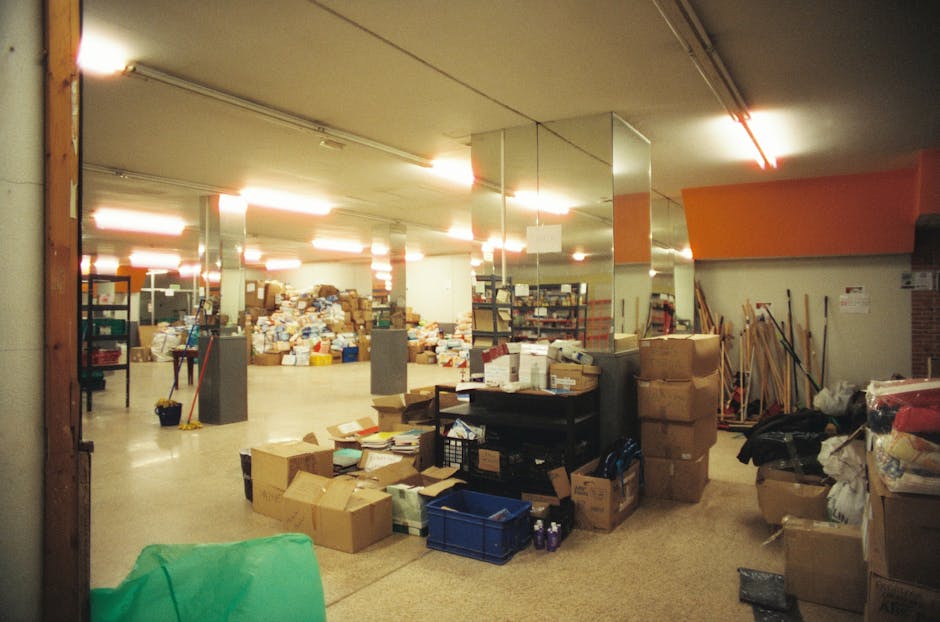
The Forum emergency cleaning after events in Kentish Town
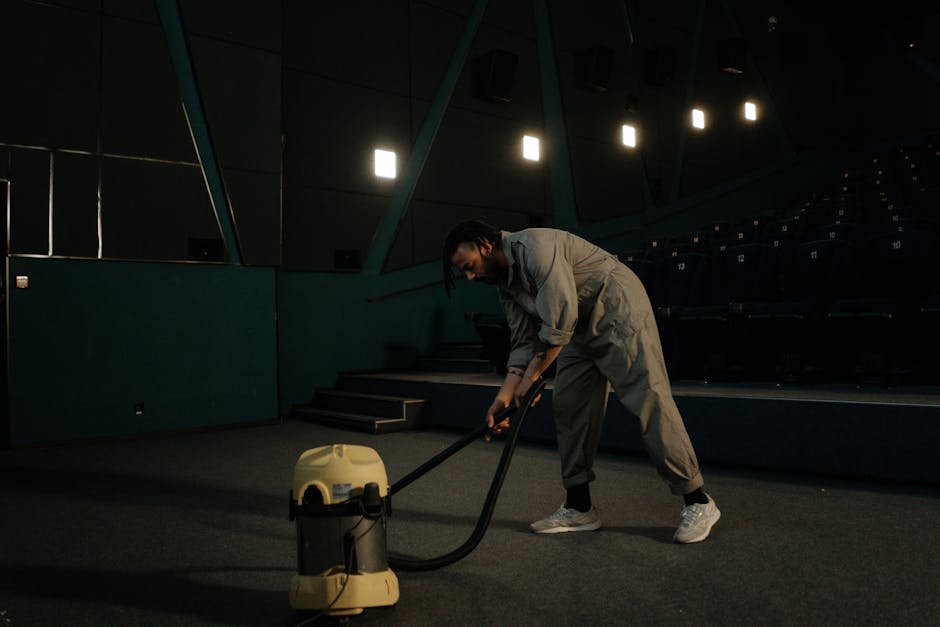
When a live show ends, the lights come up, and the crowd finally heads out, the real work often begins. Spills on carpets, sticky floors, food debris, broken glass, scuffed walls, odours, and the general aftermath of a busy night can make a venue look tired very quickly. That is why The Forum emergency cleaning after events in Kentish Town matters: it helps reset the space fast, safely, and properly so the next day does not start with a mess and a headache.
This guide explains what event emergency cleaning involves, why it matters in a venue like The Forum, how the process usually works, and what to look for when choosing a team. If you are planning around a concert, private hire, live performance, or a last-minute turnaround, you will find practical advice here, not fluff. Truth be told, there is nothing glamorous about post-event cleanup, but there is a lot of skill in getting it right.
Why The Forum emergency cleaning after events in Kentish Town Matters
The Forum is the kind of venue where a successful event can leave behind more than applause. A packed audience brings extra footfall, moisture from drinks, food crumbs, makeup marks, muddy shoes, spillages near entrances, and the occasional broken item that needs careful handling. All of that can affect presentation, hygiene, safety, and the speed at which the venue can be handed back to the next team.
Emergency cleaning is not just about making a space look tidy. It is about reducing slip hazards, preventing stains from setting, removing odours before they settle into fabrics, and protecting surfaces from avoidable wear. In a venue environment, delays can become expensive very quickly. If a floor is still tacky at opening time, or if a carpet has a strong smell from a spilled drink, you are dealing with more than an aesthetic problem.
There is also the public-facing side. A venue such as The Forum has a reputation to maintain, and first impressions matter. A clean lobby, clear walkways, polished hard floors, and fresh-smelling spaces say something simple: the place is cared for. That matters to artists, crew, event organisers, and guests alike.
Expert summary: the best emergency cleaning is fast, but never rushed. The aim is not to splash through the venue with a mop and hope for the best. It is to assess the damage, prioritise risk areas, use the right methods for each surface, and restore the space in a way that holds up under real use.
For venues that need broader refresh work after a busy event schedule, a deep cleaning service can be a useful follow-up to immediate response cleaning. It is often the difference between a quick recovery and a proper reset.
Table of Contents
- Why The Forum emergency cleaning after events in Kentish Town Matters
- How The Forum emergency cleaning after events in Kentish Town Works
- Key Benefits and Practical Advantages
- Who This Is For and When It Makes Sense
- Step-by-Step Guidance
- Expert Tips for Better Results
- Common Mistakes to Avoid
- Tools, Resources and Recommendations
- Law, Compliance, Standards, or Best Practice
- Options, Methods, or Comparison Table
- Case Study or Real-World Example
- Practical Checklist
- Conclusion
- Frequently Asked Questions
How The Forum emergency cleaning after events in Kentish Town Works
Emergency cleaning usually starts with a rapid site assessment. A good team will not begin by randomly attacking every surface. They will identify the biggest risks first: glass, sticky or wet areas, blocked access points, dirty toilets, visible stains, odours, and any surface that could be damaged by the wrong chemical or tool. That initial read of the room is a small thing, but it changes everything.
In practice, the work often follows a sequence like this:
- Initial inspection - identify high-risk zones, heavy soiling, and any immediate safety concerns.
- Debris removal - collect rubbish, food waste, broken glass, and loose items.
- Spot treatment - address stains, spills, and sticky residue before they settle deeper.
- Surface cleaning - mop hard floors, wipe contact points, sanitise where needed, and clean fixtures.
- Textile care - treat carpets, rugs, sofas, and upholstery where spills have migrated into fibres.
- Detail checks - check corners, thresholds, skirting, toilets, and other overlooked areas.
- Final walkthrough - confirm the venue is ready for reopening, handover, or the next shift.
Depending on the event, the team may also need to focus on flooring types, stage-adjacent areas, kitchen or prep spaces, dressing rooms, and public toilets. Each one behaves differently. A hard floor can often be restored quickly with the right products, while a carpet or upholstered seat may need slower, more careful treatment.
In venues with mixed flooring, specialist support can make a big difference. A provider offering hard floor cleaning can handle the sort of scuffs and residue that build up after heavy foot traffic, while carpet cleaning is often needed where spills and tracked-in dirt settle into fibres.
Key Benefits and Practical Advantages
The biggest advantage of emergency cleaning after an event is obvious: speed. But speed alone is not enough. The real value comes from getting the space back into a usable, presentable, and safe condition without creating new damage along the way.
- Reduced downtime: the venue can move back into service sooner.
- Better safety: spills, glass, and residue are removed before they cause accidents.
- Improved presentation: the space looks professional again, not half-finished.
- Odour control: food and drink smells are dealt with before they linger.
- Surface protection: stains, moisture, and abrasion are handled before they become permanent.
- Less disruption: a planned response is far calmer than a last-minute scramble.
There is also a practical budgeting benefit. Emergency work is much easier to manage when it is targeted. If you know which areas need attention, you are less likely to waste time and materials cleaning parts of the venue that are already fine. That sounds obvious, yet in a rush, obvious things get missed. Happens all the time.
For event venues that need a fuller reset after busy use, the broader services on this cleaning company page can help frame the right approach, especially where emergency response needs to be followed by a more thorough visit later in the week.
Who This Is For and When It Makes Sense
This type of cleaning is useful for venue managers, event organisers, facilities teams, production crews, and private hire coordinators who need a space reset quickly after live events. It is especially relevant when the event has brought in a larger-than-usual crowd or when the venue has multiple turnovers in a short period.
It makes sense when:
- the venue must reopen the same day or early the next morning;
- there are visible spillages, stains, or odours that cannot wait;
- glass, debris, or food waste needs safe removal;
- the floor finish is sensitive and could be damaged by incorrect cleaning;
- there is a handover deadline to satisfy;
- staff are stretched and cannot spare the time for a proper reset.
It also makes sense after unusual incidents. Maybe a drinks station overflowed. Maybe confetti, smoke residue, or heavy footfall left certain corners looking grimy. Maybe a back-of-house area got busier than expected. The point is not that the venue is badly run; it is that live events are messy by nature. A good response accepts that reality and deals with it quickly.
If the issue extends beyond a single event and the venue needs periodic support, pairing urgent response with a planned one-off cleaning visit can be a smart move. Not everything requires a long contract. Sometimes a focused reset is exactly right.
Step-by-Step Guidance
If you are organising The Forum emergency cleaning after events in Kentish Town, a clear process saves time and stress. A little structure goes a long way, especially when people are tired and the venue is half packed down already.
- Flag the problem early. As soon as an issue is spotted, identify the area, the surface type, and whether any immediate hazard exists.
- Separate urgent risks from cosmetic issues. Broken glass and wet floors come first. Stains and marks can follow.
- Walk the route the public or crew will use. Entrances, corridors, toilets, stairs, and queueing points are where problems matter most.
- Protect sensitive materials. Carpet, fabric seating, polished wood, vinyl, and stone each need different care.
- Use the right equipment for the scale of the job. Microfibre cloths, neutral floor solutions, spotters, vacuums, and extraction tools all have their place.
- Check hidden or low-visibility areas. Corners behind barriers, under seating, and around service points are easy to overlook.
- Finish with a handover check. Do not rely on a glance from across the room. Walk it properly.
For a venue with seated areas or softer furnishings, it is often worth arranging upholstery cleaning after any drink spill or food contamination, because waiting tends to make the stain harder to remove. With textiles, time really is not your friend.
If carpets have taken the brunt of the crowd flow, especially near entrances or bars, the dedicated carpet cleaner service may be more appropriate than a general wipe-down. Same logic for rugs in VIP or lounge-style spaces; a specialist rug cleaning approach helps preserve fibres and colour.
Expert Tips for Better Results
In our experience, the difference between an okay clean and a genuinely good one is usually in the small decisions. The obvious mess gets noticed. The details are what make the venue feel properly reset.
- Act on spills while they are still fresh. A drink spill that is tackled early may only need targeted treatment. Leave it too long and it can wick into fibres or leave a ring.
- Test cleaning methods on a hidden area first. This matters on delicate flooring or fabric, and it is worth the few extra minutes.
- Work from clean to dirty. That avoids spreading grime across already cleaned areas.
- Use controlled moisture. Too much water on carpets or upholstered seating can create more problems than it solves.
- Ventilate the space where possible. Fresh air helps with drying and odour reduction. Simple, but effective.
- Keep a stain log. If certain areas are repeatedly affected, you can plan protection or faster responses next time.
A small human note here: it is amazing how often the last 10% of the job makes the first 90% feel worthwhile. A properly cleaned threshold, a fresh toilet handle, a dry patch under the bar - those are the things people notice, even if they never mention them. They just feel the difference.
For venues that regularly host events with mixed surfaces and heavy traffic, a combination of office cleaning style routines and venue-specific spot response can be useful. The names vary, but the principle is the same: keep high-use areas from drifting into neglect.
Common Mistakes to Avoid
Emergency cleaning goes wrong most often when people move too fast without deciding what matters most. A few avoidable mistakes come up again and again.
- Using one product on every surface. Convenient, yes. Sensible, no.
- Scrubbing stains aggressively. That can push soil deeper or damage pile and finish.
- Ignoring odour as a symptom. If something smells off, there is usually a source hiding somewhere.
- Cleaning in the wrong order. If you mop first and then remove debris, you may just spread the mess around.
- Forgetting touchpoints. Handles, rails, switch plates, and counters tell on you fast.
- Underestimating drying time. A room may look clean and still be unsafe to use if it is damp.
Another common mistake is leaving fabric care until after everything else. That often backfires. A spilled soft drink on a chair, for example, can sink in quietly while everyone is busy with the stage area. Then an hour later it is set, sticky, and unpleasant. Bit of a nuisance, really.
Where the event has created more than surface mess, some teams may also need a post-event sweep that overlaps with after builders cleaning style detailing: dust removal, edge cleaning, and careful finishing. The situations are different, but the mindset is similar - work methodically, not casually.
Tools, Resources and Recommendations
There is no magic kit that fixes every event clean, but the right tools do make the work quicker and safer. A practical emergency setup usually includes:
- HEPA or commercial vacuuming for dry debris and dust;
- microfibre cloths for contact points and detail work;
- neutral floor cleaner for general hard surface maintenance;
- spot treatment products suitable for fabric and carpet;
- scrapers or glass-safe tools for careful debris removal;
- mops, buckets, and warning signage for wet-floor control;
- cloths and absorbent materials for immediate spill response;
- protective gloves and other basic PPE where needed.
For venues that need a wider service picture, the supporting pages on cleaners, a cleaner, and one-off cleaning can help you decide whether you need a rapid intervention, a single reset, or ongoing support.
If your event has involved food prep or late-night service areas, you may also want to pair the main clean with oven cleaning or a related kitchen finish where appropriate. Not every event needs that, obviously, but venues with hospitality functions often do.
And for surfaces near windows or audience-facing glass, window cleaning can help the whole place feel fresher once the heavy traffic is gone. Natural light shows everything, which is helpful and annoying in equal measure.
Law, Compliance, Standards, or Best Practice
Any cleaning operation in a live venue should be shaped by sensible UK health and safety practice. The precise requirements will depend on the site, the type of work being done, and the venue's own procedures, but a few principles are worth treating seriously.
Risk assessment comes first. If there is broken glass, wet flooring, heavy lifting, electrical equipment nearby, or restricted access, the team should assess the risk before cleaning begins. That sounds basic because it is basic, and basics protect people.
Safe chemical use matters too. Cleaning products should be used according to manufacturer guidance and venue procedures, especially where different materials are present. More product does not mean better results. Sometimes it just means more residue.
Manual handling should be planned, not improvised. Moving bins, furniture, or equipment in a tired venue after an event can be awkward and risky. A calm lift and a second pair of hands are usually smarter than a heroic attempt.
Insurance and safety should always be checked before work starts. That includes public liability cover where relevant and a clear understanding of the team's responsibilities while on site. If you are comparing providers, the page on insurance and safety is a sensible place to review how a company frames that side of the job.
Best practice also includes clear communication: who is responsible for what, when the venue is handed back, what areas are included, and what happens if extra issues are discovered. To be fair, the strongest event clean is usually the one where nobody is left guessing.
Options, Methods, or Comparison Table
Not every post-event situation needs the same level of response. Sometimes a targeted clean is enough. Sometimes the venue needs a broader reset. Here is a simple comparison to help separate the options.
| Approach | Best for | Typical strengths | Possible limits |
|---|---|---|---|
| Spot emergency clean | Fresh spills, debris, isolated issues | Fast, focused, efficient | May not address deeper soil or odour |
| Same-night turnaround clean | Venues reopening quickly after an event | Reduces downtime, supports handover | Needs clear prioritisation and access |
| Deep reset clean | Heavy footfall, repeated use, stubborn residue | More thorough, better finish | Takes longer and may cost more |
| Fabric and carpet treatment | Seating, lounges, carpeted zones, rugs | Targets stains and odours at source | Drying time can affect availability |
The right choice depends on the venue condition and the schedule. If the room needs to be live again in a couple of hours, you do not plan it like a full refurb. You work smart, prioritise the public areas, and come back for the finer details if needed.
Case Study or Real-World Example
Here is a realistic example based on the kind of situation a venue team might face after an evening event. The main hall is clear by 11:30 pm, but the exit routes have tracked-in dirt from a wet evening, a drinks spill has left a sticky patch near a seated area, and the bar side has scattered debris and a faint sweet smell from spilled mixers. Nothing dramatic. Just enough to create stress if it is not handled well.
The cleaning team starts with the entrances and walkways because those are the biggest slip and presentation risks. They remove debris, check under barriers, and work the hard floors first. While one person handles the public route, another deals with the textile spill using an appropriate spot treatment. A third finishes touchpoints, bins, and toilets.
By the final walkthrough, the room is not just tidy. It feels reset. The floor no longer grabs at your shoes, the seating area no longer smells sugary, and the exits are safe for staff packing down gear. A quick job? Not really. But a well-managed one. That is the difference.
If a venue needs this kind of response regularly, it often pays to build a plan that includes office cleaners or venue cleaners for routine maintenance, then emergency call-out support for the unexpected bits. That combination keeps the whole operation calmer.
Practical Checklist
Use this checklist when planning or briefing a post-event clean.
- Identify the event finish time and access window.
- List the highest-risk areas first: exits, toilets, bar areas, and seating zones.
- Check for broken glass, wet floors, or sharp debris.
- Confirm which surfaces need specialist care.
- Separate visible mess from hidden contamination.
- Make sure the team has the correct tools and PPE.
- Agree the handover point before cleaning begins.
- Allow enough drying time for carpets, upholstery, and hard floors.
- Walk the venue after cleaning, not just during it.
- Note recurring problems so the next event runs more smoothly.
A tiny bit of planning saves a lot of last-minute drama. Always.
Conclusion
The Forum emergency cleaning after events in Kentish Town is about more than restoring appearances. It protects people, keeps the venue moving, and helps a busy event space recover properly after heavy use. When the work is done well, the result feels almost invisible - which is exactly the point. No sticky floors. No lingering smells. No awkward damage left behind for the morning shift.
Whether you are responding to a spill, a sudden turnover, or the full aftermath of a packed event, the smart approach is the same: assess quickly, prioritise risk, use the right methods, and finish with a proper walkthrough. A clean venue is a calmer venue, and in live events, calm is worth a great deal.
Get a free quote today and see how much you can save.
And if the night has been a long one, that final fresh room on the other side can feel oddly satisfying. A proper reset. Nice, really.
Frequently Asked Questions
What does emergency event cleaning usually include?
It usually includes urgent debris removal, spill treatment, floor cleaning, touchpoint wiping, toilet refreshes, and any targeted work needed to make the venue safe and presentable again.
How quickly should cleaning start after an event ends?
As quickly as access allows. Fresh spills and wet floors are easier to handle early, and immediate action reduces the chance of stains, odours, and slip risks.
Is emergency cleaning different from routine venue cleaning?
Yes. Routine cleaning follows a regular schedule, while emergency cleaning is reactive and focused on immediate problems after an event or incident.
Can carpets be cleaned the same night as an event?
Often yes, if the response is organised and the carpet can dry safely before the space is used again. The main consideration is drying time and whether the stain is suitable for immediate treatment.
What if there is broken glass on the floor?
That should be treated as a priority hazard. The area should be made safe first, then cleaned carefully using suitable tools and a methodical check for smaller fragments.
Do venues like The Forum need specialist cleaning for upholstery?
They often do, especially where drinks, food, or heavy traffic affect seating areas. Upholstery can hold moisture and odour if it is not treated properly.
How do you know whether you need deep cleaning or just a spot clean?
If the issue is localised, a spot clean may be enough. If there is widespread soiling, lingering odour, or repeated use over time, a deeper clean is usually the better choice.
What should a venue manager ask before booking a cleaning team?
Ask about response time, experience with event venues, insurance, safety procedures, drying expectations, and what is included in the handover. Clear answers matter more than fancy wording.
Is it better to clean hard floors before carpets?
Usually yes, because hard floors often collect the most visible debris and can be made safe faster. But the exact order should follow the site layout and the urgent risks present.
Can emergency cleaning help with odours after an event?
Yes, but only if the source is located and treated properly. Surface freshening alone rarely solves the problem if a spill has soaked into fabric or carpet.
How do you prevent repeat mess after events?
By reviewing the problem areas, improving matting or protection, adjusting layout where possible, and keeping a simple post-event cleaning plan ready. A little prevention goes a long way.
Where can I find more about cleaning support and service standards?
You can explore the company's about us, health and safety policy, pricing and quotes, and terms and conditions pages to get a clearer picture of how the service is structured.